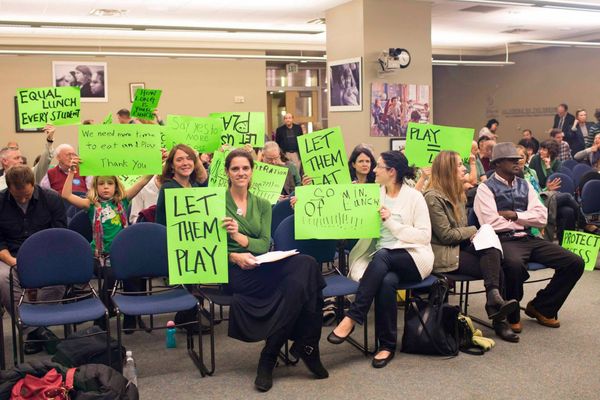
Issue 41 -- Shuldiner Scales Back Recess for Many SPS Kids
Over a decade after families and educators won protections for lunch and recess times, Ben Shuldiner reopens the fight by slashing recess time at several elementary schools.
Over a decade after families and educators won protections for lunch and recess times, Ben Shuldiner reopens the fight by slashing recess time at several elementary schools.
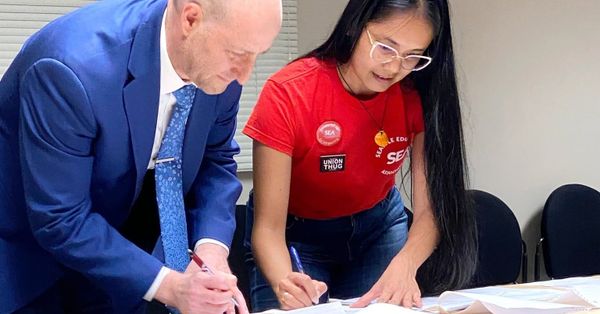
The first day of school took place as planned on Wednesday. Here’s how it happened and what we know about the Tentative Agreement.
In a rather stunning development, Seattle Public Schools has reportedly “walked away” from the bargaining table with the Seattle Education Association just four days before the first day of school. That's according to SEA, and SPS has not commented. If the district does not return to the table,
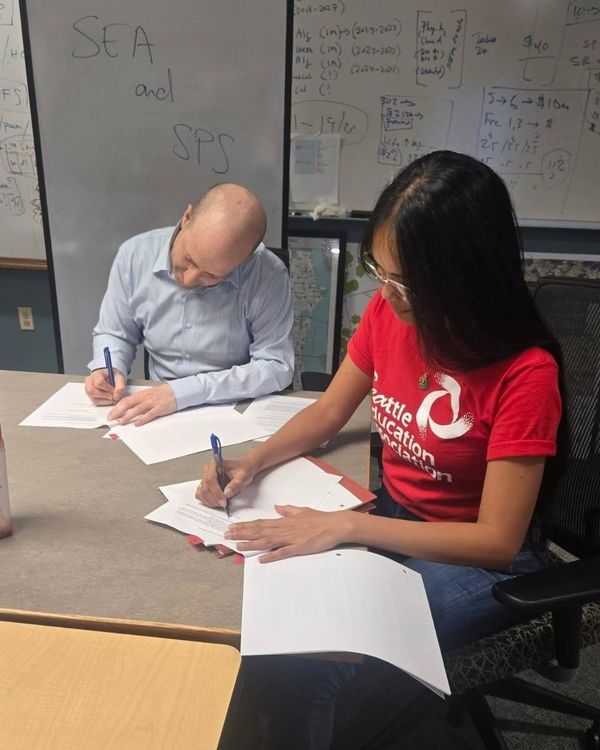
Negotiations are coming down to the deadline between SPS and SEA. But there’s still time left for both sides to settle.
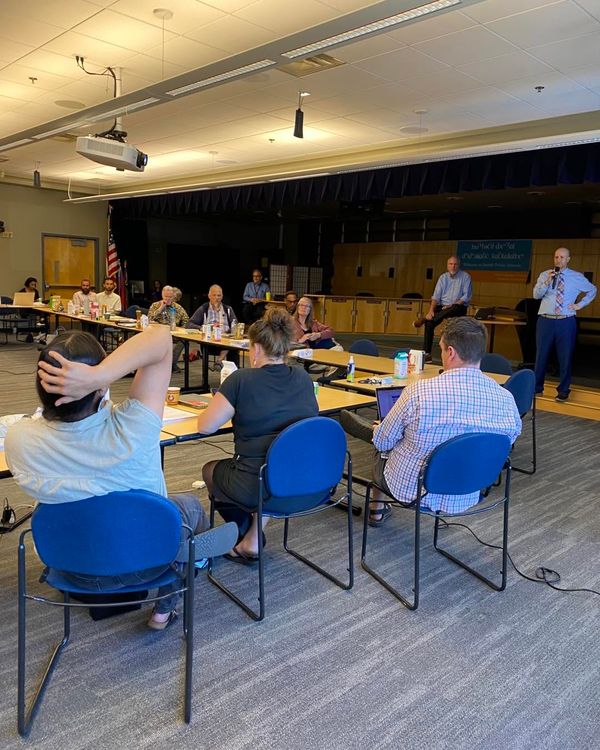
With just over a month until school starts, bargaining is going slowly, with major issues still unresolved.
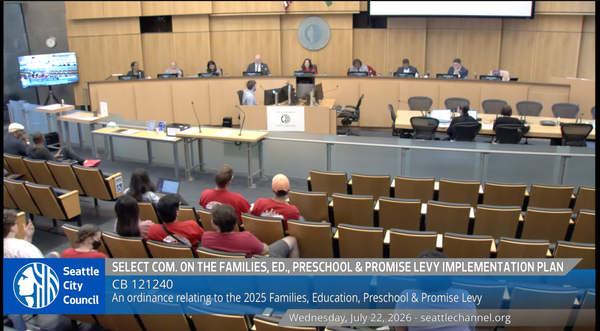
Universal free school meals are coming to SPS this fall, the Superintendent makes administrative changes, and NIMBYs attack the Lincoln HS athletic field proposal.
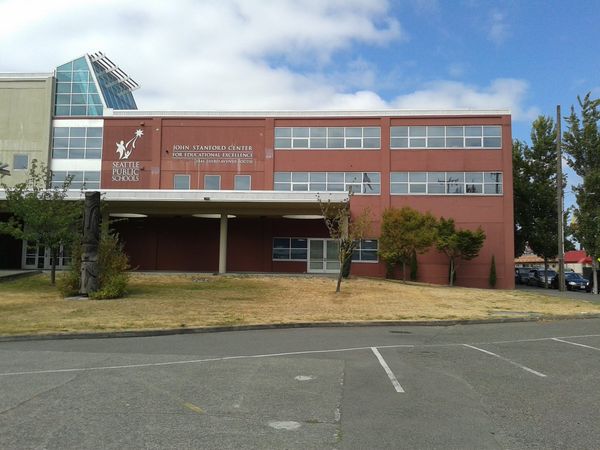
Beth Day takes a deep dive into the data from the recent June adjustment -- and from changes in SPS enrollment.
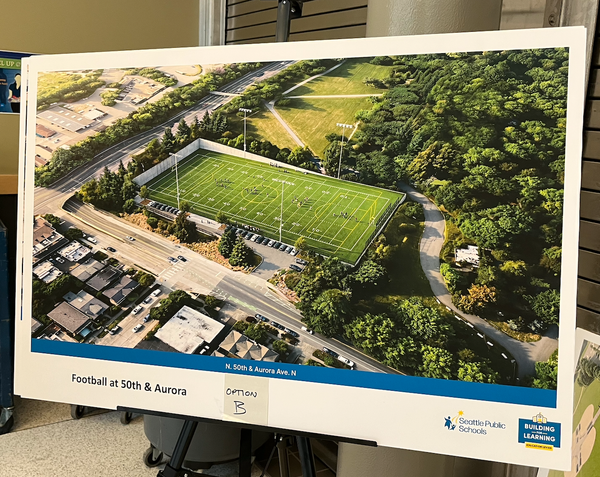
Lincoln gets its athletic field, the Times gets the Anitra Jones letter, and the board gets into debate over contract approval.
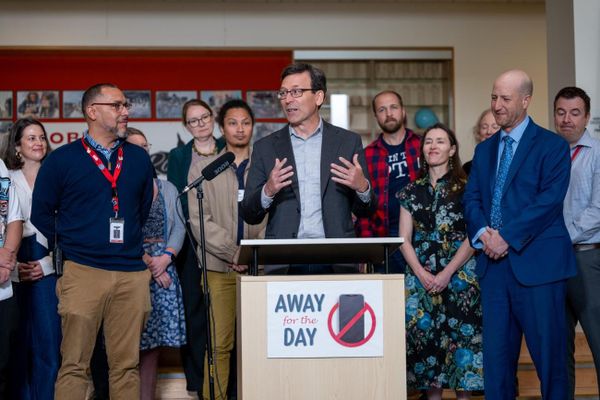
Bob Ferguson comes to Robert Eagle Staff MS to announce a policy that’s notably stricter than what SPS announced a few weeks ago.
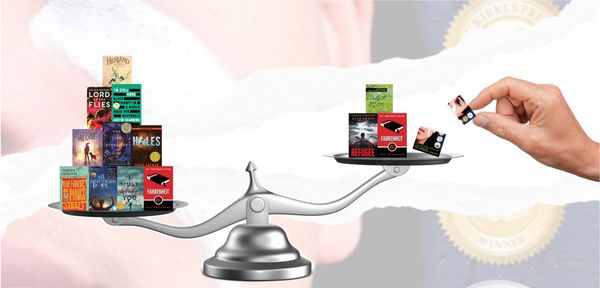
The SPS 6-8 ELA curriculum doesn't include full books. Teachers are getting in trouble for teaching them anyway. How did we get here?
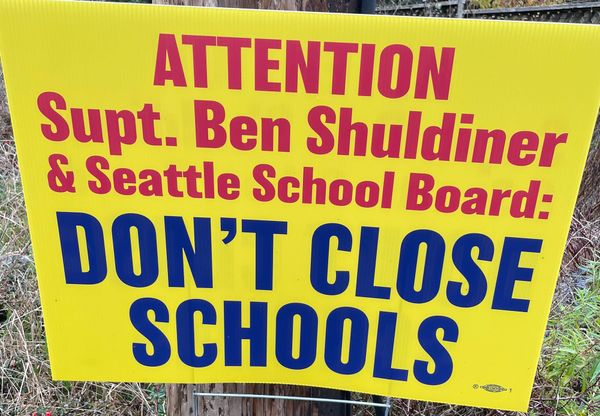
The Superintendent revives closure worries, takes on the state’s levy cap, and gets a letter from SEA sharing concerns about Anitra Jones.
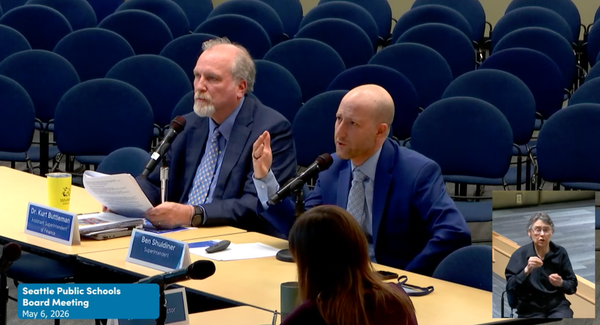
Ben Shuldiner puts everyone on notice for big cuts in hopes of averting state fiscal oversight -- and major changes to how SPS spends money.
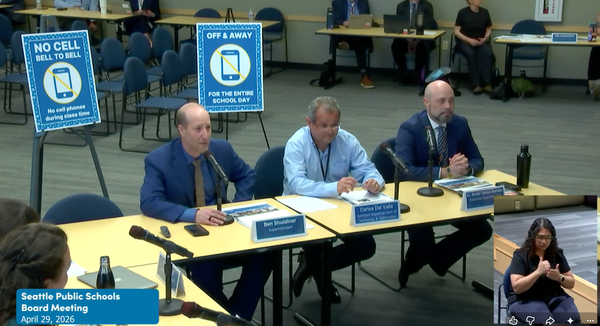
Phones will be away for the day in K-8 and during class in high school. Not everyone is happy about that last part.
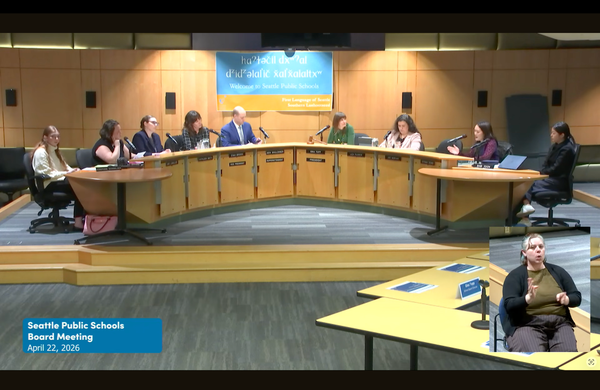
The first school board meeting in over a month saw a new K-5 ELA curriculum, new options for middle school advanced math, and an enrollment update.
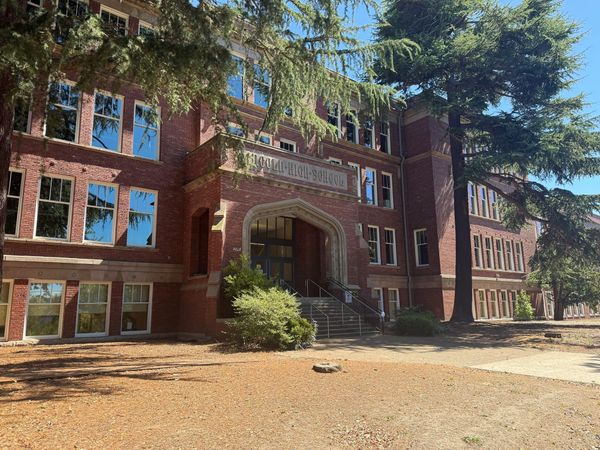
Seattle Public Schools staff presented three options for an athletic field, instead of two, reviving an old plan that had previously been cut from consideration.
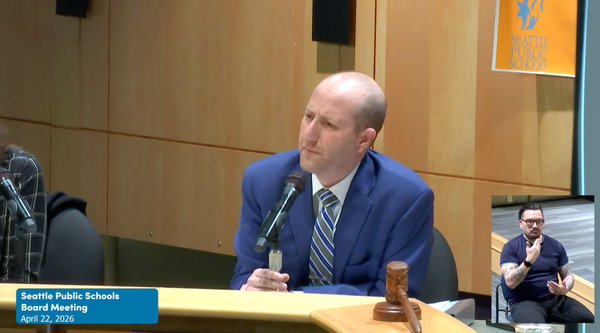
Adams Elementary School families sought reassurance about their new principal. Instead, she denied past allegations. And then the Superintendent criticized the school community itself.
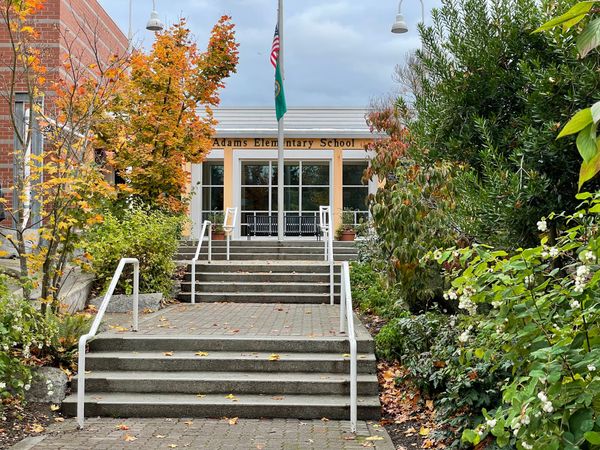
A community revolt ousted Anitra Jones from Rainier View Elementary in 2024. SPS just appointed her to be principal at Adams Elementary, raising questions about Superintendent Ben Shuldiner’s commitment to reform.
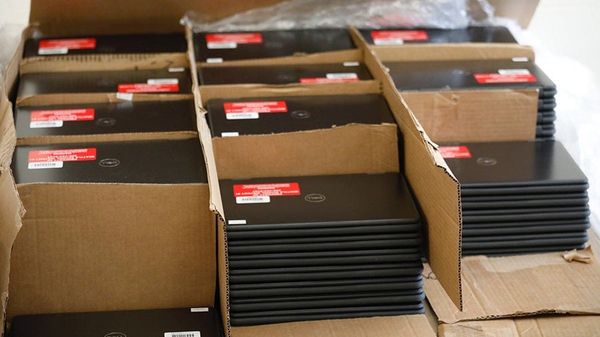
The intentional tech movement argues it's not just the smartphones causing problems for student learning — it's also the internet-enabled iPads and laptops assigned to each student.
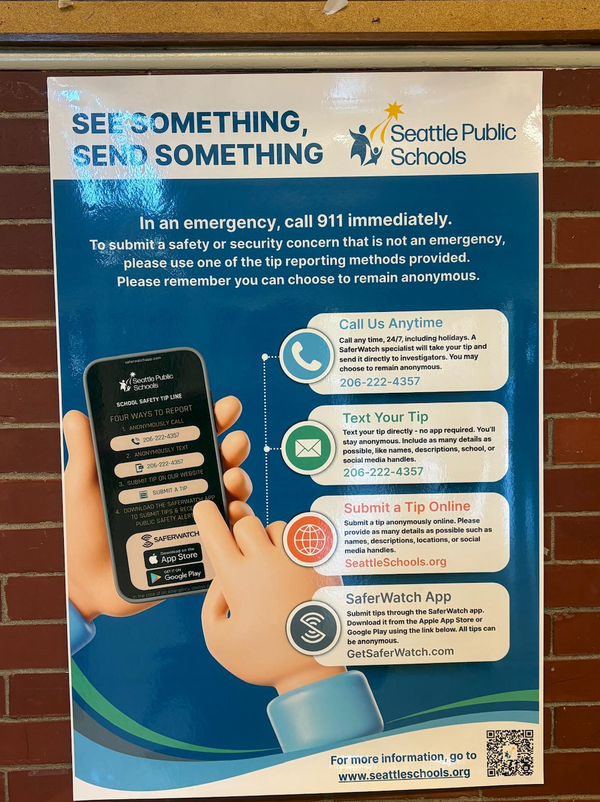
The introduction of SaferWatch to the SPS community raises questions about privacy, law enforcement surveillance, security, and costs.

Directors raise concerns about the newness and digital components of the proposed materials, and the length of the contract.

The millionaires tax comes with lots of promises about more K-12 funding, but legislators made cuts to K-12 schools this year and set up more cuts in the future.
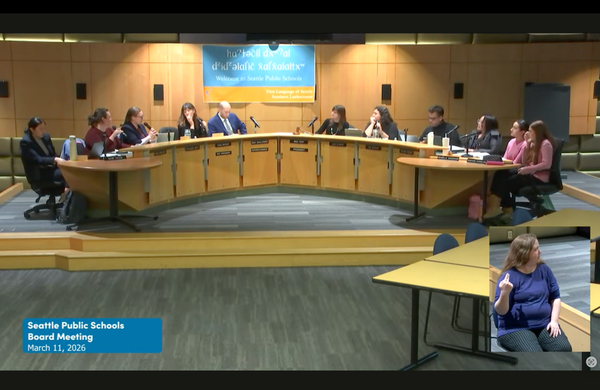
The board discussed their frustrations with the Student Assignment Transition Plan rollout; lowered the threshold for board approval of outgoing payments but not incoming grants; and hears public testimony pleading for increased staff allocations at several alternative learning sites.
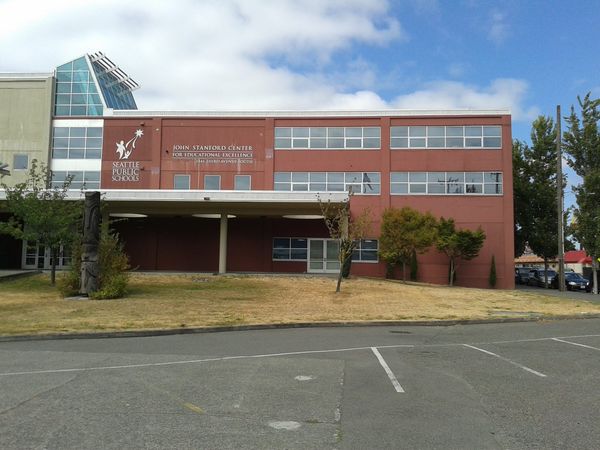
SOFG is going away and committees are back -- but new controversy erupts over board fiscal thresholds.
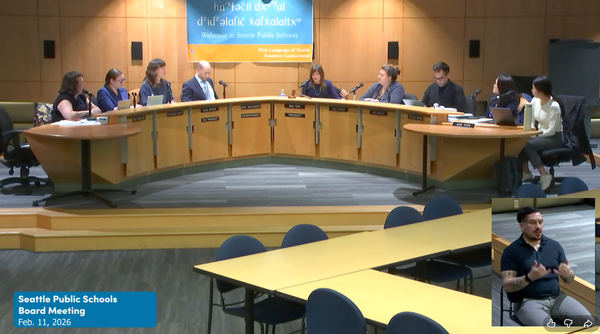
The board re-establishes standing committees, weighs changes to the student assignment transition plan and to financial thresholds triggering board review, and hears public testimony on highly capable programs, ethnic studies at SPS, and student safety.